Water intrusion remains a persistent threat in metal roof assemblies. Crews need sealing methods that perform under pressure, resist seasonal shifts, and integrate with exposed fastener patterns. One of the most widely used sealing materials for metal roofing is butyl sealant tape, known for its fast adhesion and long-term flexibility.
How Butyl Sealant Tape Behaves Under Real-World Conditions
Metal roof systems are exposed to water, wind, and rapid thermal changes. Sealant tape must resist movement, bond under compression, and conform to panel geometry without delay. Its consistent field performance has made it a go-to choice on commercial and industrial metal roof jobsites.
Crews roll it out, press it in place, and move on, no delays or additional setup required. It adapts to panel ribs, fastener heads, and uneven overlaps. Unlike liquid sealants, it doesn’t slump, shrink, or require masking. The tape adheres immediately and forms a durable bond under moderate compression, no chemical activation needed.
This behavior makes it ideal for metal-to-metal lap joints, ridge closures, transition flashing, and field-formed penetrations. Its rubber-based formula retains flexibility, helping maintain adhesion even as roofing assemblies expand and contract over time.
Factors That Influence Tape Performance on Metal Roofs
Correct usage of butyl sealant tape for metal roofing requires awareness of temperature, surface condition, and install sequence. Every variable affects long-term performance and adhesion.
Surface Prep and Substrate Compatibility
Proper adhesion depends on clean, dry surfaces. Teams must remove oils, particulates, and film residues using alcohol wipes or non-residual solvents. Some crews dry brush or blow off panels when prepping fastener rows or seam overlaps.
Galvanized steel, galvalume, and coated aluminum each require direct adhesive contact. Primer use is uncommon with most butyl tapes, but verification is essential on retrofit or repainted surfaces.
Temperature and Humidity Guidelines
The tape should be installed between 40°F and 100°F. Below 40°F, the material stiffens and may not conform properly. Above 100°F, excessive softness can cause tape slippage if not fully compressed. Most products are packaged with temperature-resilient liners, but indoor storage is still recommended.
Application rolls can be preconditioned by storing them overnight in ambient jobsite temperatures. In cold weather, gentle warming, without direct flame, can restore handling characteristics.
Compression and Bond Line Behavior
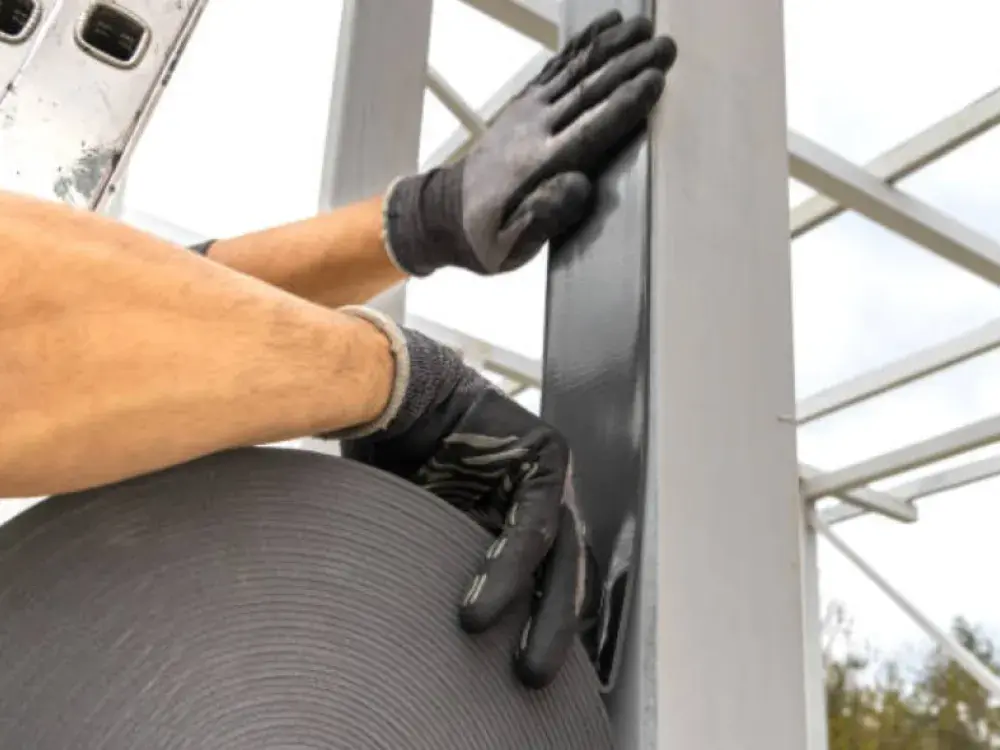
Unlike mastic or spray products, butyl rubber sealant tape depends on physical contact, not evaporation or chemical cure. Uniform pressure is required to set the bond. Crews use roller tools or hand pressure to embed the tape without wrinkling.
Once compressed, repositioning is discouraged. The initial bond is irreversible, and lifting the tape may compromise the matrix. At ridge caps or under closure strips, secondary fasteners help maintain pressure during thermal cycling.
Practical Benefits of Butyl Tape for Metal Roofing
Install teams use butyl tape to seal metal overlaps quickly and consistently, without relying on chemicals, drying time, or extra prep.
Speed and Workflow Efficiency
Roll-applied butyl tape enables fast sequencing. It’s applied directly from the spool across fastener rows, seam laps, or ridge caps. There's no mixing, curing, or masking, just compression and movement.
This reduces install time, particularly on large panels or open-run sections. Crews avoid downtime and don’t require extra trades for sealant application. On fast-paced jobsites, many rely on butyl sealant tape metal roofing to reduce install time without sacrificing seal integrity.
Flexibility and Joint Movement Tolerance
Roofing systems shift daily due to sun load, wind pressure, and structural movement. Butyl sealant tape for metal roofing stays seated as panels flex, helping prevent voids from developing at the lap line.
Its rubber formulation remains pliable over time, avoiding cracking or edge pullback. On roofs with long spans or curved profiles, this adaptability reduces service calls due to seam leakage.
Protection Against Water Intrusion and Corrosion
Butyl tape forms a continuous barrier against capillary action and ponding water. This is critical in low-slope metal roofs where rainwater tracks under laps or into fastener paths.
By isolating seams, the tape prevents water from reaching the panel underside where corrosion might start. This also protects insulation and vapor barriers beneath the roofline from moisture damage.
Inspection, Maintenance, and Long-Term Performance
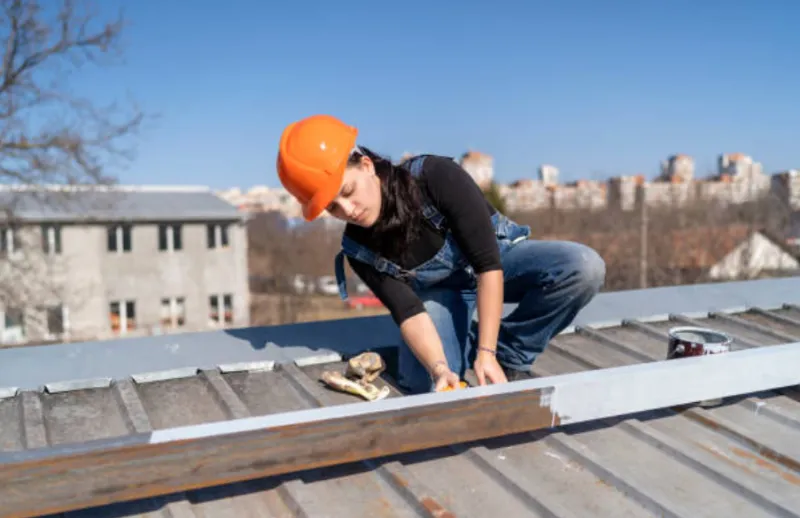
Seal lines should be reviewed after installation and again during scheduled roof inspections. Look for signs of edge lift, water tracking, or uneven pressure across seams.
Many teams keep a roll of butyl tape on hand for quick repairs, especially in areas exposed to UV or around fasteners that were adjusted after install. Replacing a short run or re-taping a seam can restore seal integrity without reworking the whole section.
When applied correctly to clean metal, the tape remains flexible and in place for years. Failures usually stem from rushed prep or disturbed seals, not from tape degradation.
Sealant Integration with Mechanically Attached Metal Panels
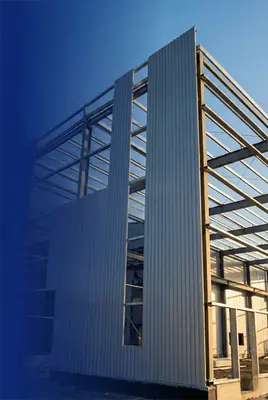
Most crews working on exposed fastened metal roofs use butyl tape to support secondary seals. It’s installed beneath closure strips, foam gaskets, or in valleys where standing seams transition.
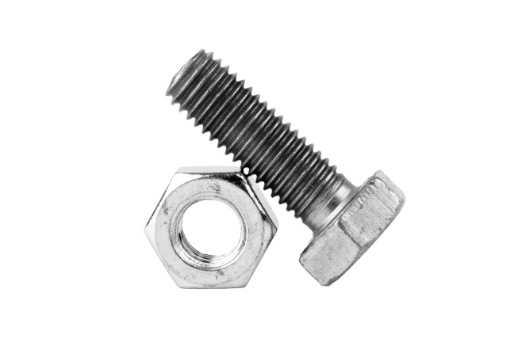
Self-piercing fasteners are driven directly through the tape line, which forms a gasket around the fastener shaft. This method is used on wall panels, retrofit cap flashings, and roof-to-wall transitions.
Field-Proven Buytl Tapes for Demanding Metal Roof Applications
Contractors choose from butyl tape that FSI carries, for install speed, seal retention under thermal load, and long-term protection against water intrusion.
- These tapes conform to irregular panel seams and retain adhesion through heat, cold, and UV exposure.
- Each product is engineered for jobsite installation—without requiring primer, masking, or cure time.
- When paired with mechanically attached panels and closure strips, the result is a sealed roof system with fewer points of entry for moisture.
Butyl sealant tape metal roofing solutions are built to perform consistently across common metal panel systems. Field crews rely on their strong adhesion and flexibility to keep joints sealed through heat, movement, and exposure.
Get Field-Ready Seal Protection with Fastener Systems Butyl Tapes
Reliable sealing starts with field-tested materials that match real installation conditions. At Fastener Systems, we supply butyl sealant tapes that maintain adhesion, resist UV breakdown, and conform to metal panel systems without delay. Contact us today for more information.