Sealant failure on metal panels, roof seams, or expansion joints can lead to costly repairs and lost time. Contractors need materials that not only seal but perform under movement, UV, and substrate variability. This article compares hybrid sealant vs silicone to help field teams choose the right product for their conditions.
Material Chemistry and Curing Behavior in Hybrid Sealant vs Silicone Products
Both hybrid and silicone sealants cure by moisture exposure, but their internal chemistry leads to different installation workflows and post-cure behavior. Each formulation creates different physical properties during skin formation, depth cure, and post-install performance.
Silicone Sealants Use Moisture-Cure Siloxanes
Silicone sealants are based on siloxane polymers that cure into flexible rubber when exposed to ambient moisture. They form a surface skin quickly, though full-depth cure depends on joint thickness and humidity. These materials are highly elastic and resist UV exposure, which makes them ideal for exterior joints.
Hybrid Sealants Are Built on Modified Silane Polymers
Hybrid sealants use MS (modified silane) chemistry that blends the flexibility of silicone with the coating acceptance and substrate adhesion of polyurethane. These sealants cure more uniformly across depth. Another key difference between hybrid sealant vs silicone lies in how each material responds during curing. Hybrids maintain longer open time, making them easier to tool on large or irregular substrates.
Adhesion Strength and Substrate Compatibility Vary Sharply
Sealant selection should reflect expected surface conditions and joint complexity. Hybrids typically bond more reliably to coated and aging substrates, while silicones often require surface prep or primers to maintain adhesion under thermal cycling.
Hybrids Bond Across Dissimilar and Coated Surfaces
Hybrid sealants deliver strong adhesion to galvanized steel, aluminum, masonry, and painted surfaces. They do not require primer on most substrates and resist pullback even when applied to older or weathered panels. Their neutral cure chemistry makes them compatible with sensitive or coated metals.
Silicones Require More Surface Prep in Mixed-Use Installations
While silicones offer flexibility and longevity, their adhesion to certain coated or oily surfaces is inconsistent. Without primer, they may delaminate under thermal cycling. For architectural metals or powder-coated substrates, additional prep steps or adhesion promoters are often required.
Paintability and Finish Continuity Affect Aesthetic Integration
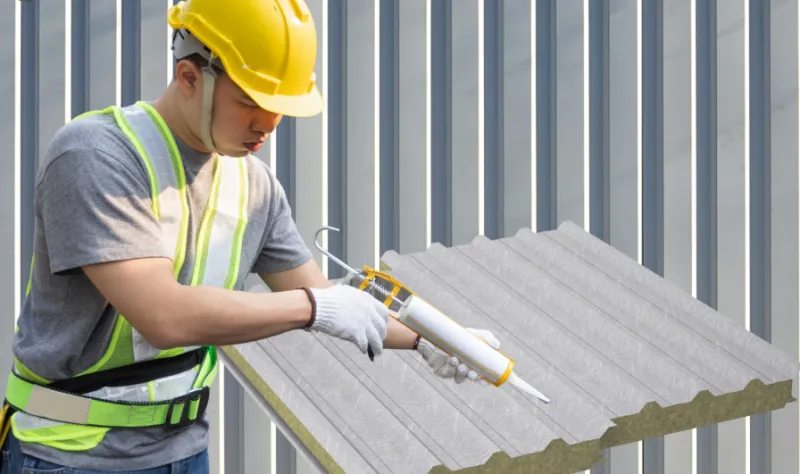
Sealants that remain exposed must match surrounding finishes. Their ability to accept coatings, resist discoloration, or integrate visually with metal panels varies by chemistry.
Hybrid Sealants Accept Paint After Full Cure
Hybrids can be painted using water-based or acrylic coatings once cured. This allows them to match wall finishes, trims, or facade cladding, supporting visual continuity without compromising seal performance. For jobs where appearance and adhesion both matter, hybrid sealant options simplify finish transitions.
Silicone Sealants Do Not Accept Coatings
Silicone formulations resist paint, and coatings applied to cured silicone often flake or fail. When color is required, silicone must be tinted at the factory. This limits post-install adjustments and complicates punchlist work in aesthetic zones.
Movement Capability and Environmental Exposure Define Field Durability
Both material types flex under joint movement, but not equally. Their resistance to thermal cycling, direct UV exposure, and shifting mechanical loads determines long-term reliability in exterior applications.
Silicone Excels in High-UV, High-Movement Joints
Silicones routinely meet or exceed ±25% movement class, making them reliable in dynamic or exterior wall assemblies. They resist chalking and embrittlement even in direct sun or coastal environments. In perimeter joints and metal roof seams, they maintain elasticity under extreme shifts.
Hybrids Offer Balanced Flexibility with Stronger Hold
Hybrid sealants accommodate joint movement within a lower range but bond more aggressively to the substrate. In applications where vibration and shifting loads combine with varied surfaces, hybrids offer a more secure seal with less installation variability.
Installation Efficiency and Crew Handling Impact Project Flow
On jobs with tight deadlines or variable conditions, sealants must install quickly and cure predictably. Material open time, tooling tolerance, and curing response to temperature shifts all affect install quality and speed.
Hybrids Support Fast Tooling and Reduced Rework
With longer open time and smoother viscosity, hybrids allow installers to apply and tool the joint without rush. They don’t sag or skin prematurely, reducing need for masking or reapplication. Field comparisons of hybrid sealant vs silicone consistently show variation in open time, skin-over rate, and depth cure.
Silicones Set Faster but Require More Surface Control
Silicone cures quickly on the surface and is less forgiving when spread or shaped after application. Inconsistencies in temperature or humidity may affect full cure, especially on thick joints. Installers must coordinate tightly with weather and timing for consistent results.
VOC Content, Odor, and Compliance Considerations
Material impact on indoor environments, worker safety, and VOC thresholds must be considered—especially during retrofit or occupied space installation.
Hybrids Meet Low-VOC Standards and Are Odor Neutral
Most hybrid formulations meet green building criteria and produce no strong odor during installation. They are safe to apply in hospitals, schools, and commercial interiors where ventilation may be limited.
Silicones May Emit Odor During Cure
Some silicone types, particularly acetoxy cure, emit a vinegar-like smell. While not harmful, this odor can delay turnover in occupied projects and limit work hours in enclosed zones.
Choosing the Right Material for Jobsite Demands
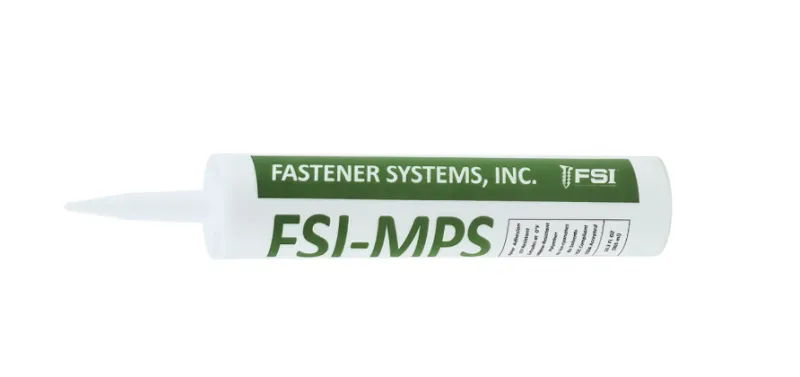
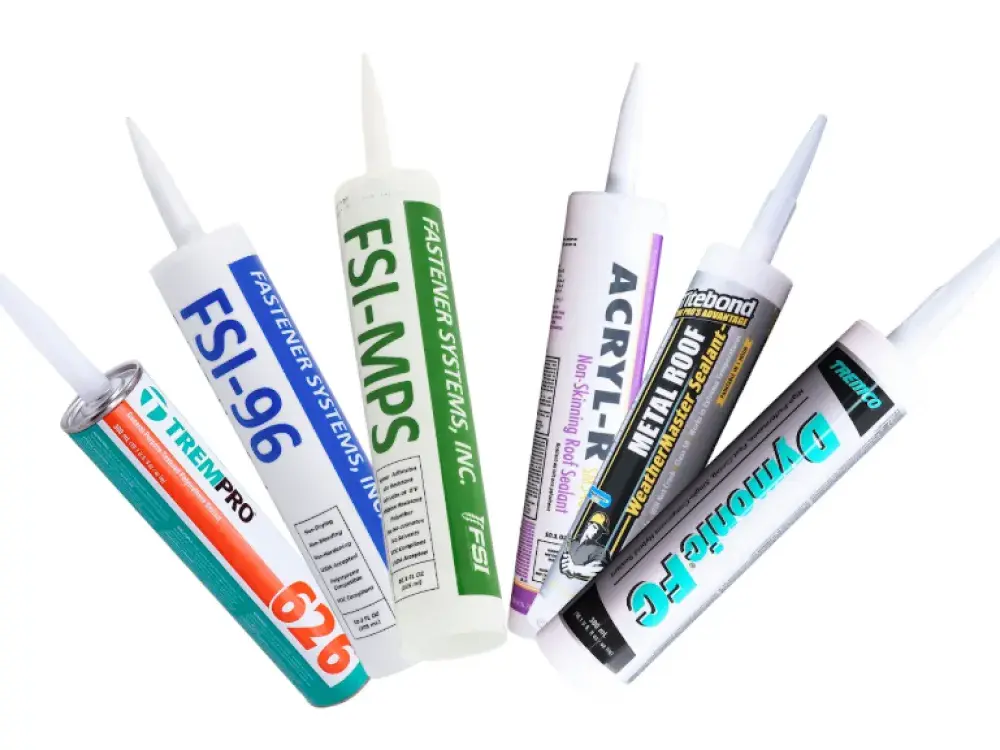
Contractors must balance sealant performance with jobsite conditions, especially in retrofit and commercial applications. FSI-MPS is Fastener Systems’ high-performance MPS sealant solution. Engineered to deliver long-term flexibility and adhesion across a wide range of surfaces.
Designed for commercial envelope and weatherproofing needs, FSI-MPS cures quickly, adheres to dissimilar surfaces, and maintains elasticity under joint movement. Its low-VOC formulation makes it safe for jobsite use while supporting strong, durable bonds without the need for primers or specialty surface prep.
For contractors managing expansion joints, metal panels, dynamic connections, and structural interfaces, FSI-MPS provides dependable performance while remaining field-ready for efficient installation.
Seal Field Joints Faster with Fastener Systems Hybrid Sealants
If you're weighing hybrid sealant vs silicone for your next installation, Fastener Systems offers both hybrid and silicone options built for jobsite realities. Our products reduce rework, improve bonding across substrates, and accept finish coatings without prep complications. Contact us today for more information.